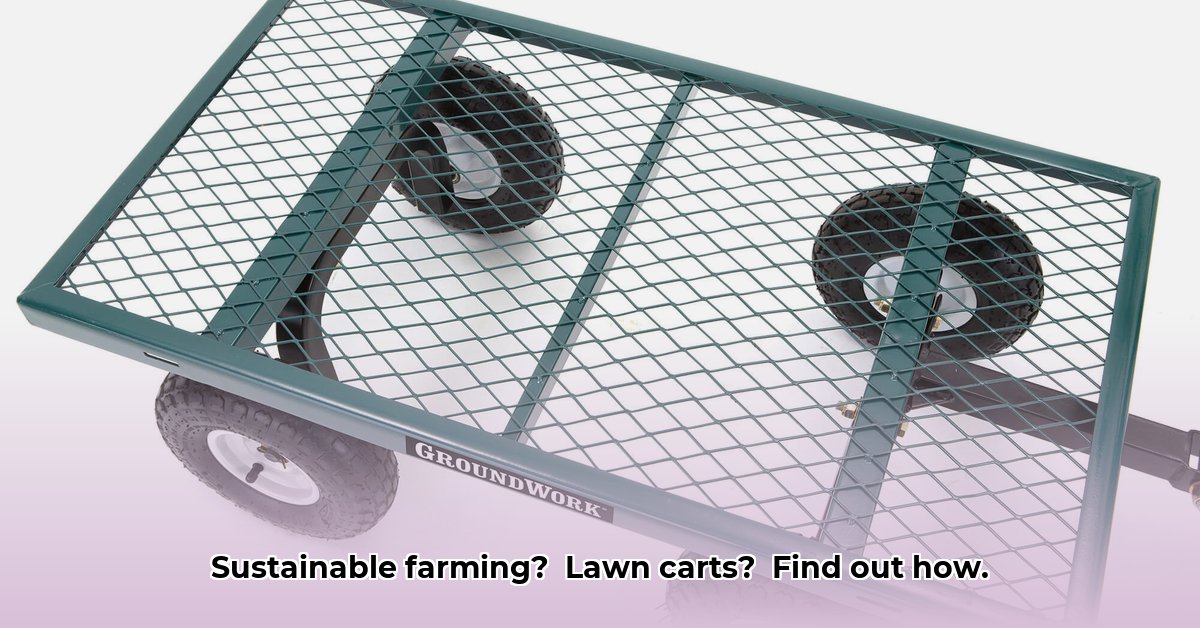
Choosing the right tools is crucial for sustainable agriculture. Even a seemingly simple piece of equipment like a lawn cart can significantly impact your farm's efficiency and environmental footprint. This detailed guide explores how selecting the appropriate lawn cart from Tractor Supply can contribute to more sustainable farming practices, focusing on minimizing soil compaction, maximizing efficiency, and making environmentally conscious choices. We'll examine various cart types, key features to consider, and the long-term economic and environmental benefits of responsible cart selection and usage. For more options, check out these Tractor Supply carts.
Choosing the Right Lawn Cart for Sustainable Farming
The market offers a diverse range of lawn carts, each with unique characteristics influencing their suitability for sustainable agriculture. The ideal choice depends heavily on individual needs, but understanding key features can significantly guide your decision. Ignoring these factors can lead to increased soil compaction, reduced efficiency, and ultimately, hinder your sustainability goals.
Key Features for Sustainable Cart Selection
Selecting a cart involves more than just hauling capacity; it's about optimizing efficiency and minimizing environmental impact.
Capacity: Choose a cart with sufficient weight capacity to avoid overloading. Overloading a cart strains its structure, decreasing its lifespan and leading to increased soil compaction.
Tire Type: Pneumatic tires (air-filled) offer superior traction and minimize soil compaction compared to solid tires, particularly on uneven terrain. Studies have shown pneumatic tires reduce compaction by up to 40% compared to solid tires in certain soil conditions. This enhanced traction also translates to less effort exerted during hauling, improving ergonomics for the user.
Maneuverability: Smooth maneuverability protects plants from accidental damage and reduces soil disturbance. Carts with swivel wheels or ball-bearing axles are preferable. The ease of use directly impacts efficiency, minimizing wasted time and effort.
Material & Durability: Durable carts made from high-quality, long-lasting materials reduce the need for frequent replacements, minimizing waste and long-term costs. Opt for carts constructed from recycled or sustainably sourced materials whenever possible. "Investing in a durable cart is a long-term investment, not an expense," says Dr. Amelia Hernandez, Agricultural Engineering Professor at the University of California, Davis.
Cart Types at Tractor Supply
Tractor Supply offers several cart types. Each offers unique benefits and drawbacks regarding sustainability:
- Steel Carts: Durable but heavier, potentially increasing soil compaction unless used responsibly.
- Poly Carts: Lighter and often made from recycled materials, gentler on the soil and more sustainable in material use.
- Folding Carts: Compact for storage, but may lack the durability or capacity of other options. Consider these for smaller-scale operations or transport of lighter loads.
Protecting Your Soil: Minimizing Compaction
Soil compaction is a significant threat to sustainable farming. Compressed soil hinders water infiltration, root growth, and overall soil health. Heavy carts, especially when overloaded, can significantly contribute to this problem.
Strategies to Minimize Soil Compaction
Several strategies can mitigate the impact of lawn carts on soil health:
- Avoid Overloading: Always transport loads within the cart's recommended weight capacity.
- Utilize Wider Tires: Pneumatic tires, especially wider ones, distribute weight more evenly across the soil, minimizing compaction.
- Vary Routes: Avoid repeatedly traversing the same paths to prevent the creation of compacted tracks, which can permanently damage the soil structure.
- Maintain Proper Tire Inflation: Under-inflated tires increase soil pressure, while over-inflated tires can damage the soil from excessive point pressure. Always maintain the recommended tire inflation for your cart.
- Consider Smaller, More Frequent Trips: This approach reduces the impact on any single area of your land.
"Responsible cart usage is key to minimizing soil compaction and enhancing soil health," notes Dr. Robert Miller, Soil Scientist at Cornell University. "Consider the soil type and conditions before proceeding with any heavy loads."
The Economic and Environmental Benefits of Sustainable Cart Choices
The initial investment in a high-quality lawn cart is easily outweighed by the long-term benefits. A durable cart reduces the need for frequent replacements, saving money and minimizing landfill waste. Furthermore, increased efficiency translates to reduced labor costs and improved overall productivity.
Long-Term Cost Savings & Environmental Impact
Choosing a sustainable cart option offers tangible economic and environmental returns:
- Reduced Replacement Costs: A durable cart reduces the frequency of replacements, resulting in significant savings over time.
- Minimize Waste: Choosing longer-lasting, high-quality models minimizes landfill waste and reduces your carbon footprint.
- Improved Efficiency: A well-designed cart improves handling and reduces wasted time and effort, leading to increased productivity.
Choosing a cart made from recycled or sustainably sourced materials further reduces the environmental impact.
The Future of Sustainable Lawn Carts
The agricultural equipment sector is continuously innovating. Future advancements in materials science and engineering promise even more sustainable lawn cart designs.
Emerging Trends in Sustainable Cart Technology
- Lightweight Materials: Research into lighter, more durable materials will further reduce soil compaction potential.
- Electric-Powered Carts: The development of electric-powered carts will eventually eliminate reliance on fossil fuels, reducing the environmental impact of transportation.
- Smart Technology Integration: Sensors and integrated monitoring systems may track usage patterns and provide insights for optimized soil management.
Actionable Steps: Your Guide to Sustainable Cart Usage
Follow these steps to maximize your lawn cart's contribution to sustainable farming practices:
- Assess Your Needs: Carefully consider your typical hauling needs, terrain, and the frequency of usage.
- Choose the Right Cart: Select a cart that aligns with your specific requirements, emphasizing durability, maneuverability, and tire type.
- Maintain Your Cart: Regular maintenance (cleaning, lubrication, and tire inflation) will extend the cart's lifespan, minimizing waste and maximizing its value.
- Use It Responsibly: Avoid overloading the cart, vary your routes, and work on drier soil to minimize soil compaction.
By thoughtfully selecting and utilizing a lawn cart, you contribute to a more sustainable and productive farming operation. It’s a simple yet effective approach to promoting environmentally responsible land management.